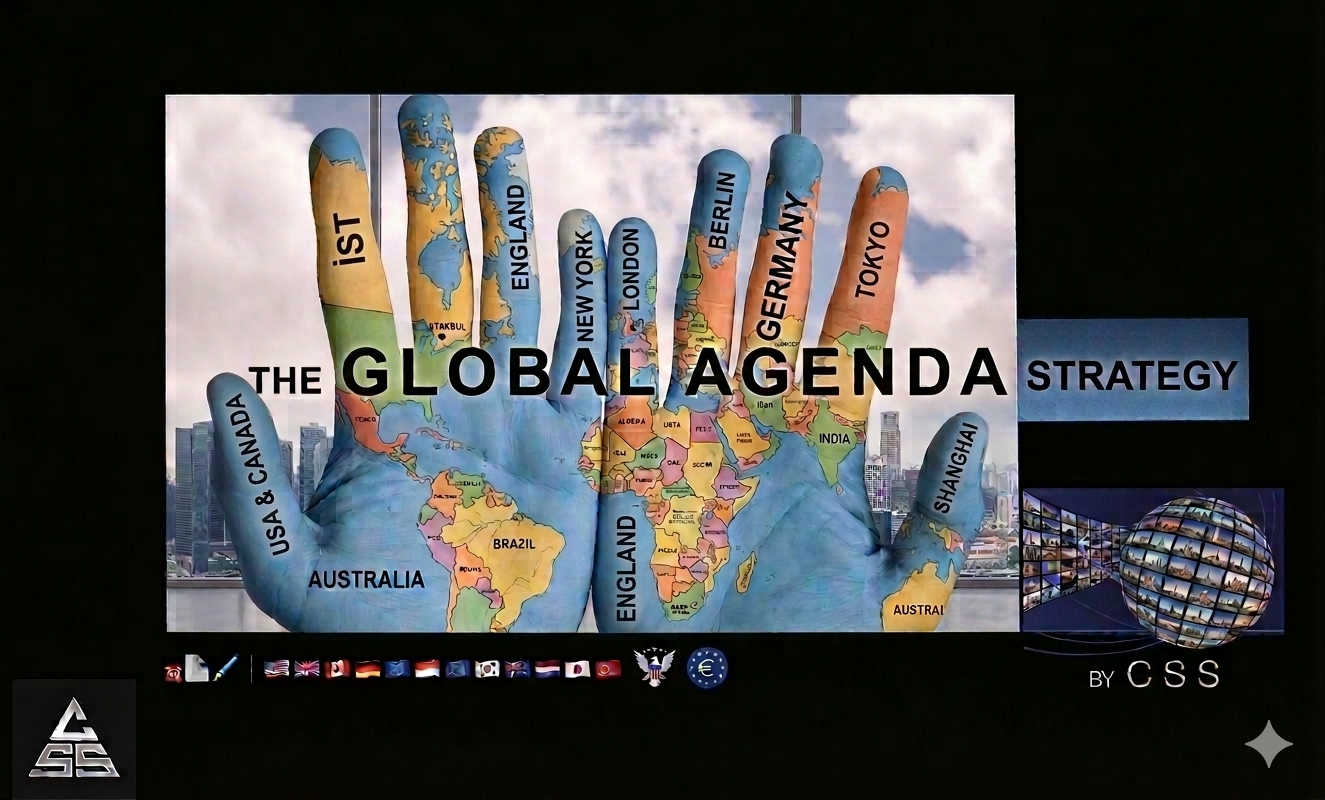
Process and Media Management Strategy
CSS | Traffic is a strategic initiative with a profound capacity to transform urban life. In today’s global business and governance landscape, distinguished institutions and respected leaders are invited to participate in this strategic endeavor, which directly shapes the future of cities. The modern world demands scalable, sustainable, and high-impact solutions to address complex urban challenges.
Within this framework, integrating media into the process in a structured and controlled manner has been adopted as a core communication philosophy. Media engagement is specifically intended to add value to the overall process, enhance public understanding, and foster a trust-based collaborative environment among all stakeholders. Given the project’s high-level protocol requirements and its comprehensive impact on urban living, cooperation with media organizations is considered a natural and integral component of this journey.
Accordingly, the comprehensive documentation of the project process is envisioned. The proposed program and documentary title is as follows:
"A City Awakens | Breath"
Activities Planned for Media Documentation
-
Executive & Institutional Dialogues: High-level meetings conducted with official authorities and institutional decision-makers.
-
Strategic Briefings: Comprehensive briefings and informational sessions regarding the project's development and milestones.
-
Thematic Agendas: Strategic discussions and panel-style sessions addressing the project’s tangible impact on urban life.
-
Corporate Recognition: Formal expressions of appreciation and public acknowledgment dedicated to project partners and collaborators.
The information, data, and content delivered throughout this process carry utmost strategic importance. A primary objective is to elevate public awareness regarding the project’s contribution to urban civilization in a clear, responsible, and balanced manner. It is anticipated that the resulting synergy will significantly enhance inter-institutional communication and long-term corporate cooperation.
Sincerely,
CSS | City Smart Solutions

What is valuable is the ability to provide an effective solution to a current problem.
CSS Technology removes the guesswork from metropolitan transformation, turning it into a time-bound commitment. Definite and concrete results in just 49 weeks.Consulting Strategy Solution(s)
🌍 GLOBAL INITIATIVE
A Definitive Solution for Metropolitan Traffic Systems.
City Smart Solutions (CSS)
- CSS is engineered for seamless implementation in major metropolises worldwide. Formulated specifically to meet the high standards of developed regions—including the United States, the United Kingdom, Canada, Germany, the European Union, Australia, and Japan—the system possesses the capability to reduce metropolitan traffic congestion by up to 70%.
- ⚡ Rapid Deployment: CSS stands out as a high-impact infrastructure solution that can be fully deployed in as little as six months, delivering immediate improvements to urban quality of life.Why Partner with CSS
- 📉 Up to 70% Reduction in Traffic Congestion: By dynamically optimizing urban mobility and traffic flow, CSS mitigates severe bottlenecks in real time. (Key Milestones)
- ⏱️ Enhanced Efficiency and Resource Optimization: The platform generates substantial time and fuel savings, fostering a more productive environment for both citizens and commercial enterprises.
- 🌐 Tailored for Global Metropolises: CSS has been meticulously developed to match the complex infrastructure demands of major global hubs such as New York, Tokyo, London, Paris, Berlin, Los Angeles, and Istanbul.